
Automotive consultancy
From showroom to boardroom
The automotive industry is in an unprecedented state of flux.
The increasingly urgent demands of the climate crisis, and the geopolitical destabilisation of fossil fuel supply, are driving greater electric vehicle uptake. At the same time, the axis of the automotive industry is shifting eastwards, as Chinese technology and production start to dominate global markets.
The technological possibilities of automated vehicles is also ushering in a mobility revolution, along with an increase in active travel. How will these impact car ownership?
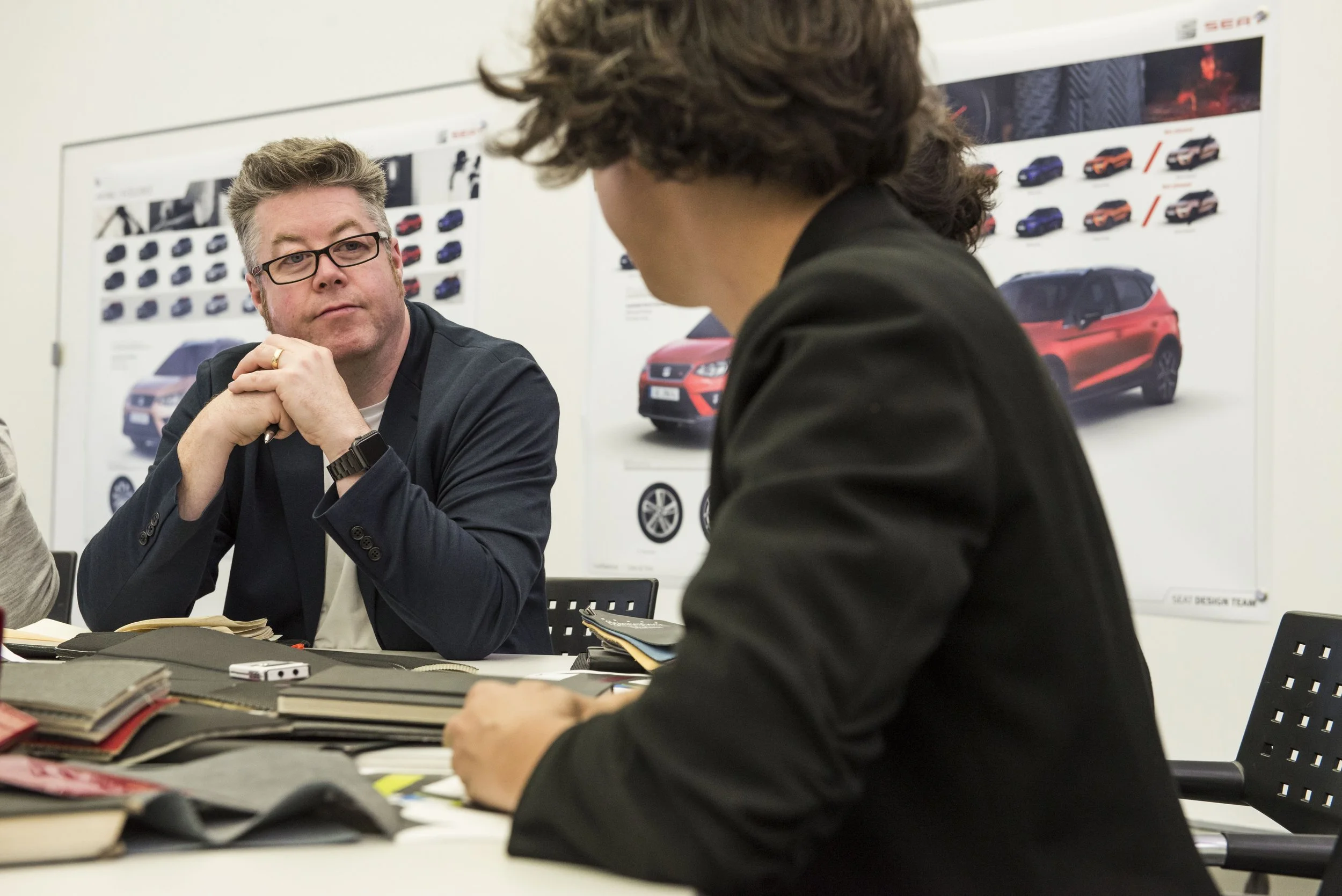
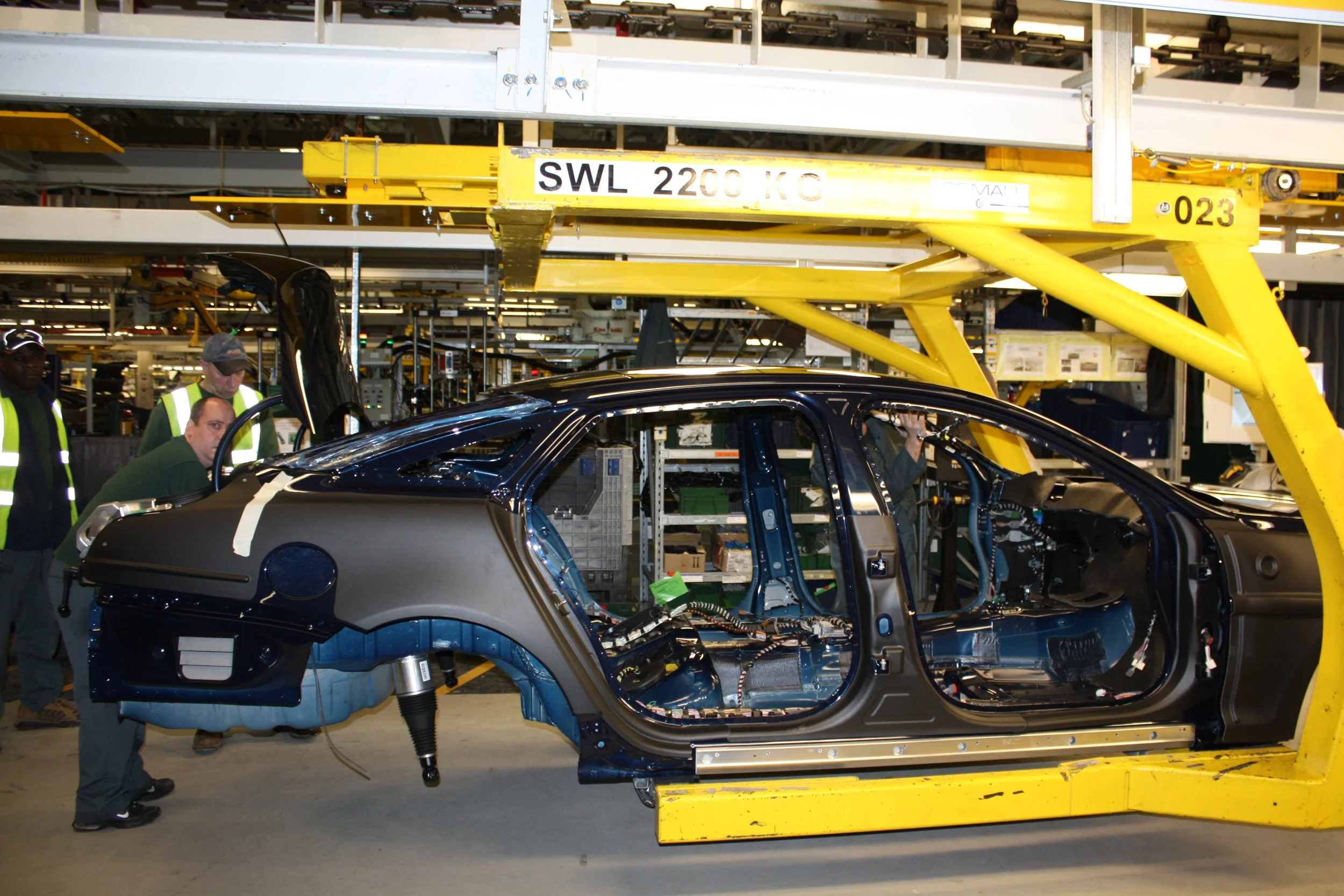
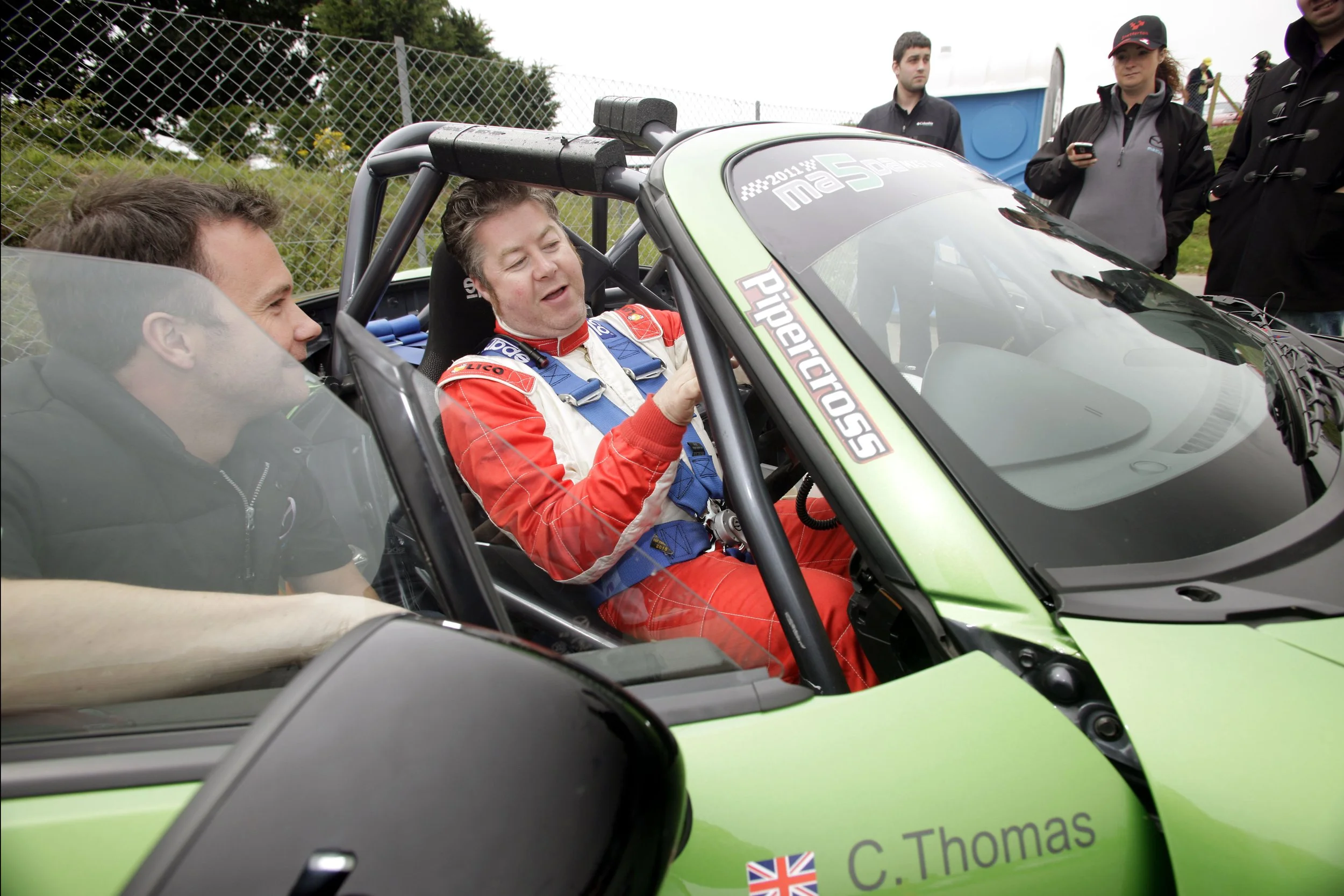
I’ve worked across the automotive industry for 20 years, covering every aspect, from showroom to boardroom. The range of knowledge that I’ve accumulated in two decades - and my ability to see how trends have and are developing - can be a useful asset to clients looking for strategic advice in the automotive and mobility sectors.



Better thinking. Better outcomes.
Uncommon Sense is a publication, but it’s also the demonstration of a practice, a way of seeing the world and its challenges, and making connections to find solutions.
Using the knowledge gained from over 40 years engaged in business, politics, culture and communities, we work with organisations on two challenges that we all currently face: how to maximise the use AI for our benefit; and how to value and utilise the skills of people who can make connections in a complex world.
This advisory work is grounded in the same belief that underpins the newsletter: that the qualities of slow thinking and making connections are undervalued in the accelerated culture of the 21st Century.
We can help you unlock that value, which is already there in your organisation.
We work with organisations to find, develop and retain their best thinkers, the people whose careers reflect range, rather than deep specialisation.
Most organisations say they need people who can adapt, connect ideas across disciplines and take the lead in conditions of change or uncertainty.
At the same time, most organisations (without having actively decided to) also build systems that don’t make the most of those people.
The results of recent research is unambiguous. A survey of 36,000 professionals across 20 countries found that more than half of self-identified generalists see no clear career path for themselves; nearly half believe specialists are promoted faster; and three-quarters report burnout.
These aren’t engagement problems: they’re structural problems, with structural solutions.
The Uncommon Sense Range advisory helps organisations find the generalist talent they already have, understand why they are losing it and build the conditions for it to do its best work.
We help organisations that want to use generative AI for written communications, but without losing their voice or standards.
Since the dawn of computing, one of the immutable laws has been Garbage In, Garbage Out (GIGO). In the age of AI, this law is truer (and more consequential) than it has ever been.
Generative AI tools do not compensate for vague thinking, weak briefs or unclear purpose: if anything, they amplify them. The organisation that uses AI without an ‘editorial’ discipline doesn’t get better output, faster: it gets worse output at scale, with a veneer of fluency that ends up making the problems harder to spot.
Slop, as we’re coming to know it
Learning how to use a tool
With the World Economic Forum’s Future of Jobs Report 2025 stating that by 2030, 59% of the world’s workforce will require training, a McKinsey report suggests that in the AI age, reskilling and upskilling will be required on a scale that hasn’t been seen before.
“In many cases, AI is ‘under the hood’ and the learning needs to focus more on ways of working than tech fluency. In these cases, in particular, experiential learning in the employee context will be essential,” the report states.
The difference between organisations that use AI well and those that don't is rarely about the tools. It’s about the quality of the input: the precision of the brief, the clarity of the standard, the judgment to know when the output isn't good enough and why.
Most people using AI for written communications write prompts by instinct, accept the results by default, and then just edit around the edges. The result is content that sounds like AI, because it was treated like AI.
This is an editorial input problem, not a technical output one. The solution is better thinking to create better prompts: only then will your outputs improve.
“The rule you should remember is that you can't give the AI less information than you'd give a human to do the same job and expect excellence. The age-old law of ‘Garbage In, Garbage Out’ applies here." Dave Birss, AI instructor, writer and consultant
Content consultancy

I have a long and successful career as a journalist, editor and content creator. All this experience means that I understand what best practices are - and where things can go awry, too. If it’s true that you learn more from failures than successes, then I also have plenty of those to draw on: I’ve seen the effects of corner-cutting and a lack of understanding of what constitutes good content, for example, which have informed future projects.
As brands increasingly become publishers of everything from websites to full content marketing programmes, the expertise to make those endeavours successful is crucial. Your staff might be enthusiastic and talented, but experience and a thorough understanding of creating the right content to fulfil your objectives might be limited.
Understanding your brand content
My time in the media industry has coincided with some pretty seismic shifts. Technological developments and the emergence of the internet have more than ‘disrupted’ the media: transformation is a more accurate word to describe the paradigm shift that digitisation has instigated. I have seen these changes at first-hand - both triumphs and disasters - and learned multiple lessons along the way.
The same is true for start-ups. I’ve worked for some that have gone from tiny acorns to great oaks - and others that have crashed and burned. I’ve learned the lessons.
As a result, I’m in an ideal position to help brands - new or established - understand how to use content effectively in pursuit of their wider business objectives.
Dating profiles
Is yours sending the wrong signal?



I started online dating at the age of 60.
The last time I dated, I was 21. Back then, dating apps were the stuff of science fiction.
I’ve been ‘on the apps’ for a couple of years now and, while swiping through thousands of profiles as someone who has been creating content for most of my professional life, something became clear.
People need help with their profiles. Friends are great, but most of us would benefit from an objective, professional - but empathetic - eye, someone who knows how to use words and pictures to tell a story, to reveal an inner truth.
Poor pictures and meagre (or non-existent) information on your profile could be sending a signal to prospective dates that you’re not interested enough in meeting someone to spend the time and show them the real you, if only for a few seconds.
If you want to maximise the chances of meeting someone on a dating app, you have to take time and care on your profile. Then the signal becomes very different.
I can help you change that signal.
My decades of professional experience - combined with a naturally highly sensitive, empathetic and therapy-informed personal approach - give me a unique perspective that I hope can help single people create better profiles.
The service is personalised and the amount of help I can offer depends on what you need - from a quick audit of your current profile to a full creative edit of your picture selections and biogs, prompts, opening moves, interests, etc.
This is a strictly professional, confidential, no-bullshit service. I’ll advise, but I won’t judge. And I will never ask for access to, or control of, any of your accounts.
Please use the contact form above to get in touch.